
The monitoring problem
Short field surveys capture only a limited window of ecological activity. Passive acoustic monitoring can extend observations across seasons and times of day, but it also creates practical challenges: reliable remote hardware, large volumes of audio and detections that still need transparent review.
The useful unit is therefore not just a recorder. It is the complete path from dependable field capture to data that an ecological team can inspect and interpret.
The system
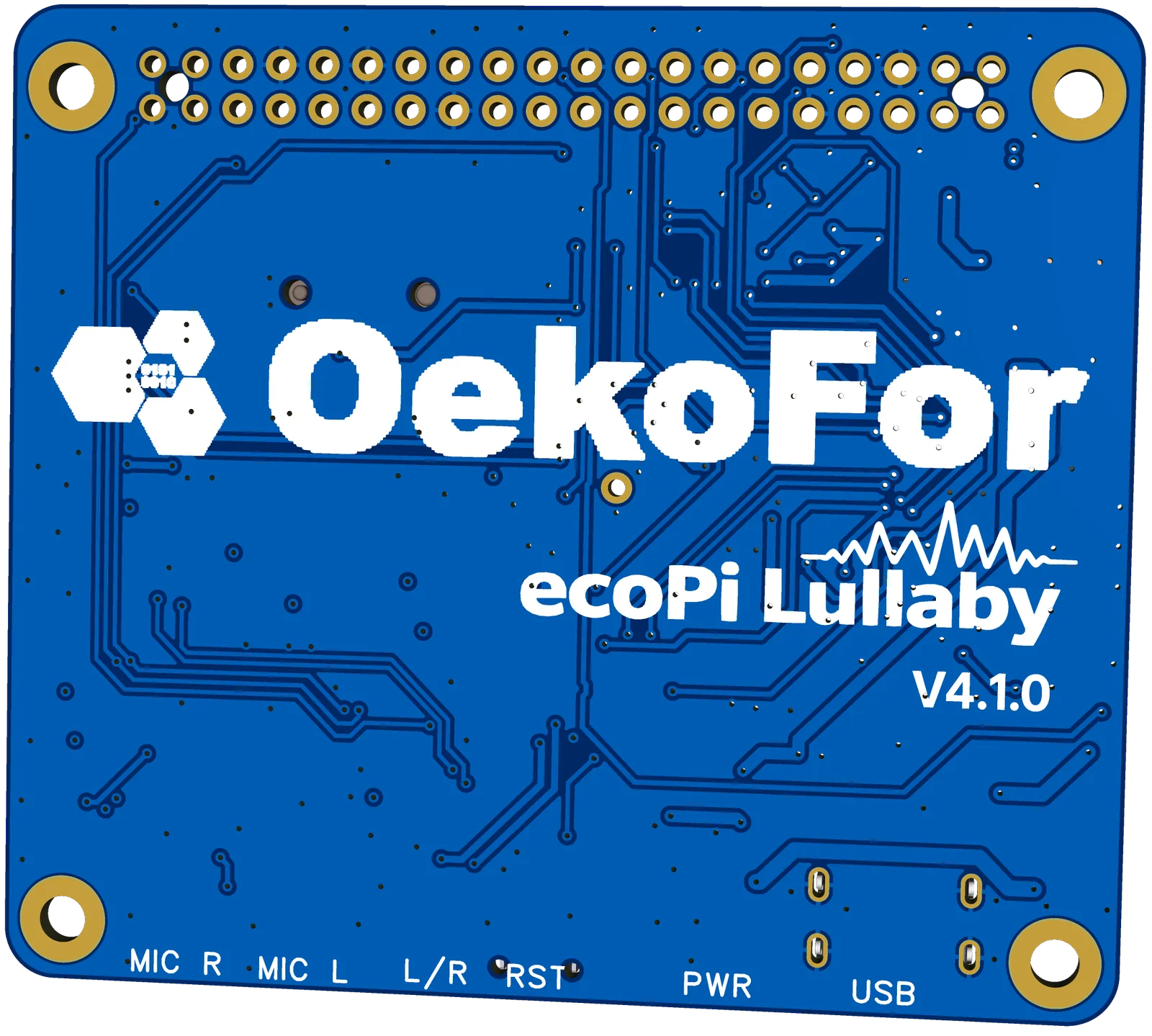
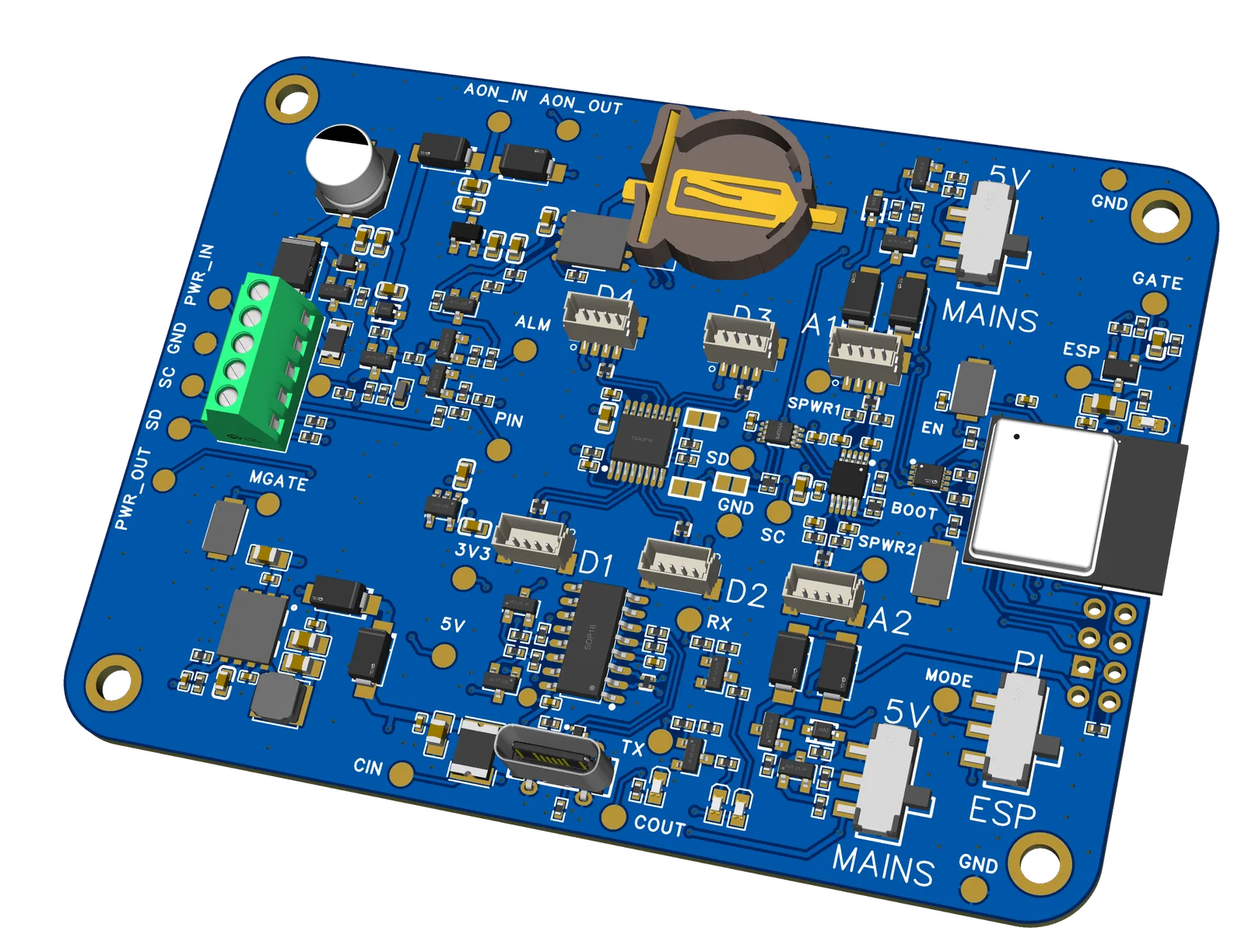
ecoPi is built on a Raspberry Pi platform with a custom board for power management and audio capture: a low-noise converter and a hardware high-pass filter that reduces wind and vibration noise before any analysis. Solar panels, lithium-ion batteries and scheduled duty cycles keep units recording for weeks or months in a rugged enclosure, without site visits.
AI models run on the recorder itself. BirdNET is the default and can be replaced remotely, including with custom-trained models for other species groups. Each detection is stored with species, time and confidence; only detections travel over the mobile network, audio is sent on request, and the full recording is kept as FLAC for later re-analysis.
Recording schedules, target species, detection thresholds and models can be changed from a web interface before or during deployment, and managed centrally across many recorders. The platform is modular, taking extra sensors such as a camera, a speaker or temperature and humidity probes, and an API passes detections and device status on to GIS, databases or custom displays.
ecoPi is developed by OekoFor in Freiburg, an official scientific cooperation partner of BirdNET, and is used for biodiversity monitoring, wildlife management and environmental education.
The dashboard
The ecoPi dashboard brings device status, species detections and validation into one web interface, so a team can follow a project remotely: checking recorders, exploring detections across species, recorders and time, and reviewing each identification against its audio.
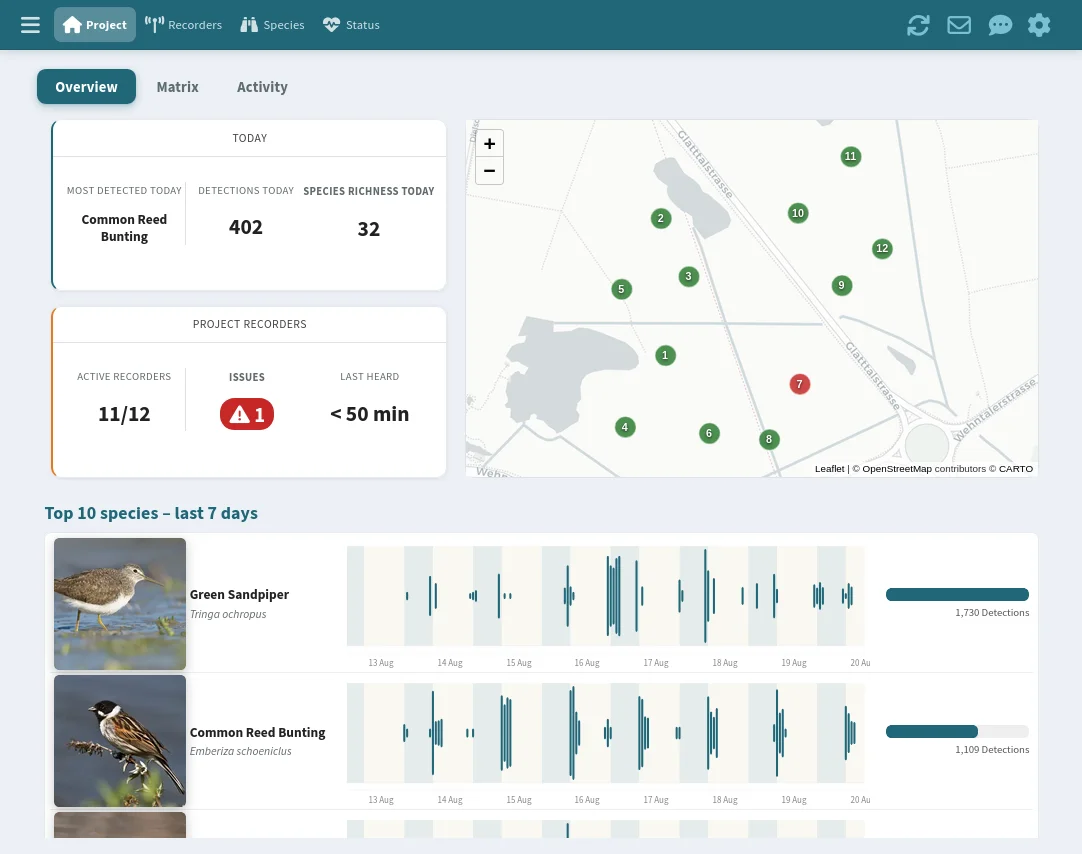
Today’s detections, most active species and species richness, recorder status and a map of every device, with the week’s most active species below.
Dashboard screens as published on ecopi.de.
My contribution
I contribute across ecoPi hardware and software. My software work includes R Shiny ecological applications, dashboards, maps, detection-review tools, environmental sensor interfaces, APIs, data pipelines, performance improvements and device-status monitoring.
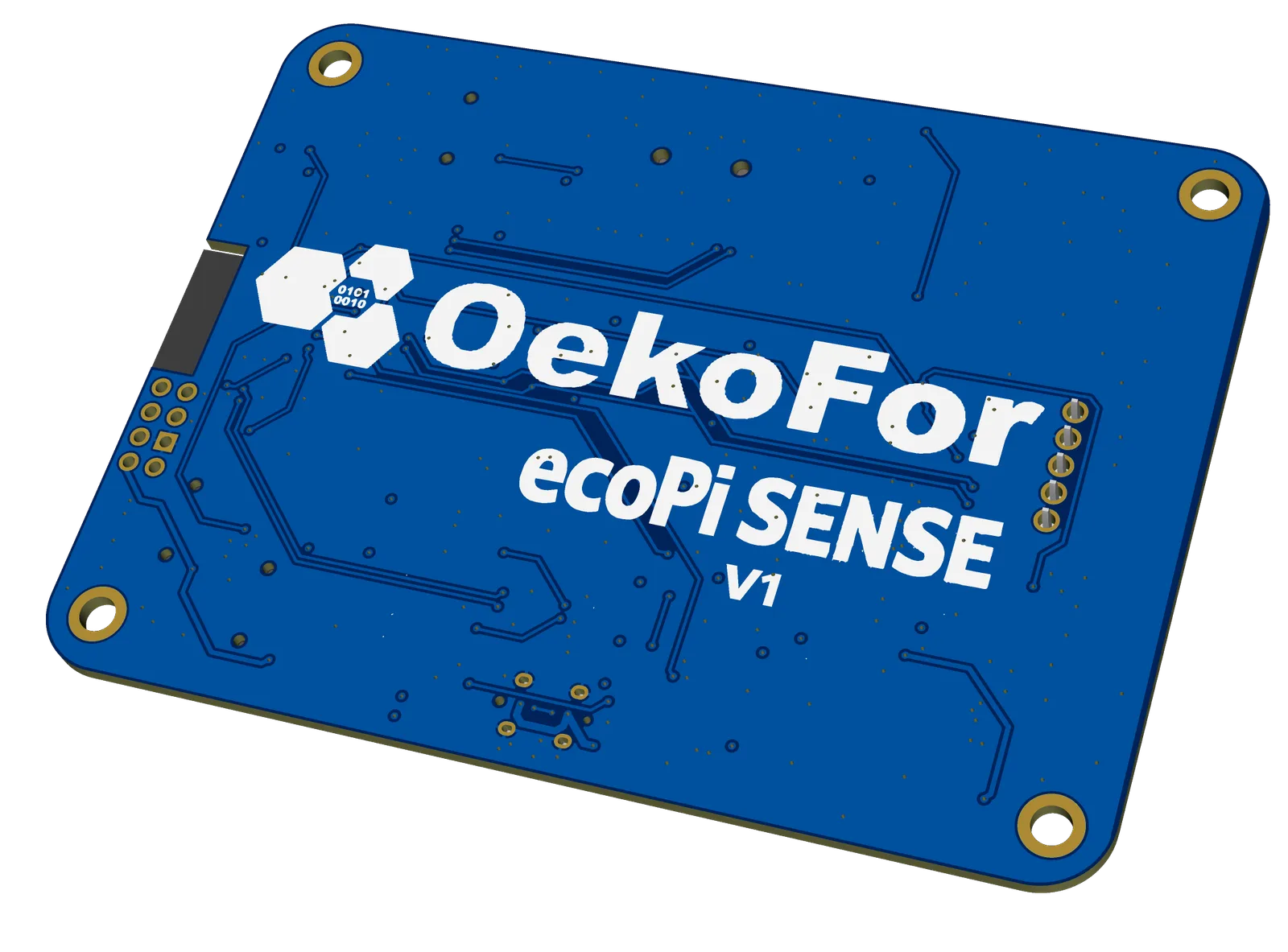
On the hardware side, I contribute to field testing and development, including ecoPi Lullaby, the custom Raspberry Pi HAT for power management and audio capture, and ecoPi Sense, a module that adds environmental measurements such as temperature and humidity alongside the acoustic data.
ecoPi hardware
Tools and technologies
Current status
ecoPi is OekoFor’s active monitoring platform, deployed in projects worldwide and under continued hardware and software development. My current work focuses on ecological applications and interfaces, data handling, device visibility and improvements to field hardware.
This page describes my contribution to the wider system. It does not claim sole authorship of ecoPi or present ongoing modules as finished products.
